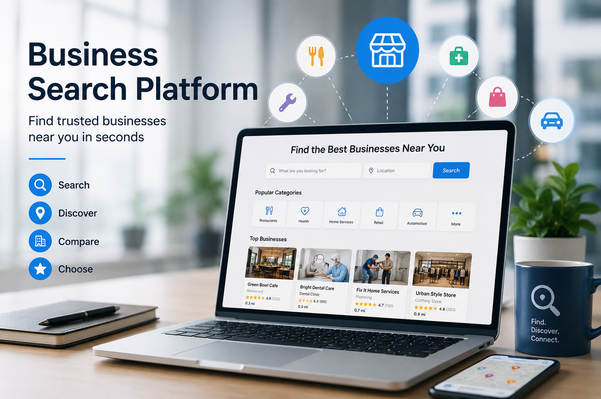
When someone searches online for a nearby service or product, the results they see largely depend on where and how that business chose to be visible. A business search platform is exactly what it sounds like: a website or tool that lets people search for companies by name, category, or location, and lets business owners create a profile to be found. Getting listed on the right business search platform can meaningfully improve how easily customers discover a company, especially for small and mid-sized businesses competing against larger, more established brands. For companies across the USA, understanding how a business search platform works, and which ones are worth prioritizing, is a foundational step toward building lasting online visibility. This guide breaks down exactly how to make the most of it.
Why a Business Search Platform Matters for Growth
Before choosing where to focus your efforts, it helps to understand why a business search platform carries so much weight for modern businesses. Search engines treat listings on these platforms as trust and relevance signals, cross-referencing your business name, address, and phone number to confirm legitimacy. A business search platform also gives customers a fast, direct way to find your hours, services, and reviews without needing to search your website separately. Companies that ignore this channel often lose potential customers to competitors who appear more consistently across search results and local listing platforms. Investing in a strong business search platform presence is one of the most cost-effective growth strategies available, since most platforms are free to join and maintain, unlike paid advertising that stops delivering results the moment spending pauses.
Choosing the Right Platforms to Prioritize
Not every business search platform delivers the same value, so knowing where to focus matters. Major platforms like Google Business Profile, Yelp, Bing Places, and the Better Business Bureau tend to carry the most authority and should be claimed first. From there, expanding to regional and industry-specific platforms can add further relevance depending on what your business offers. When evaluating any business search platform option, consider factors such as domain authority, monthly visitor traffic, and whether the platform supports customer reviews or a link back to your website. Spreading your listings across dozens of low-quality platforms rarely helps and can create inconsistent information that confuses search engines rather than strengthening your visibility.
Getting Expert Help Managing Your Business Search Platform Presence
Managing profiles across multiple platforms manually can quickly become overwhelming for a busy business owner. Yebble helps businesses across the USA build and maintain a consistent business search platform presence without the hassle of tracking logins and updates across every individual site. Instead of guessing which platforms are worth prioritizing, Yebble identifies the highest-value listings for your specific industry and ensures every profile reflects accurate, current information. This approach to managing a business search platform presence reduces the risk of outdated or duplicate listings that can quietly hurt local search rankings. For owners who would rather focus on running their business than chasing platform updates, outsourcing this process is often the more efficient choice.
Keeping Your NAP Information Consistent
Consistency is one of the most important, yet frequently overlooked, elements of a strong business search platform presence. Your business name, address, and phone number, commonly referred to as NAP, must match exactly across every platform where your company appears. Even small inconsistencies, like using a different abbreviation for a street name, can weaken the trust signals search engines rely on when ranking local businesses. A well-managed business search platform strategy keeps this information synchronized everywhere, from the largest national sites down to smaller niche platforms. Periodically reviewing every listing helps catch outdated hours, old phone numbers, or incorrect addresses before they start affecting how easily customers can find you.
Exploring Industry-Specific Search Platforms
Industry-specific platforms add another valuable layer to a well-rounded business search platform strategy. A restaurant benefits from being featured on platforms like OpenTable or Zomato, while a contractor might prioritize a business search platform like Angi or HomeAdvisor instead. These specialized platforms tend to attract users with stronger purchase intent, since visitors are already searching for a specific type of service or product. Many niche platforms also support customer reviews, which adds another layer of credibility to your profile. Taking the time to research which industry-specific platforms are most respected within your field is well worth the effort for any business serious about strengthening its business search platform presence.
The Value of Local and Community Listings
Local and community-focused platforms deserve special attention for businesses that primarily serve a specific city or region. Chamber of commerce websites, local newspaper directories, and city-specific listing platforms all contribute meaningfully to a strong business search platform presence. These hyper-local listings often carry added relevance for local search results, since they're directly tied to a specific geographic area rather than a broad national audience. Businesses that combine major national platforms with these smaller, local listings tend to see stronger local search performance than those relying solely on the biggest, most well-known sites. Many local platforms also offer sponsorship opportunities or featured placements, giving businesses added visibility within their own community, often at a fraction of the cost of traditional local advertising.
Leveraging Reviews across Your Profiles
Customer reviews play a major role in how effective any business search platform ultimately becomes for a company trying to grow. Shoppers frequently browse these platforms specifically to compare star ratings and read feedback before making a purchasing decision. Encouraging satisfied customers to leave a review strengthens the credibility of every business search platform profile and can directly influence how a business ranks in local search results. Responding professionally to reviews, both positive and negative, shows potential customers and search engines alike that a business stays actively engaged with its audience. Over time, a steady stream of authentic reviews across multiple platforms compounds into a reputation that's difficult for competitors to match quickly.
Measuring What's Actually Driving Results
Measuring performance is essential to understanding whether the time invested in a business search platform strategy is actually paying off. Tracking referral traffic, phone calls, and form submissions that originate from specific platforms helps identify which listings genuinely generate leads. Some platforms provide built-in analytics, while others may require unique tracking numbers or promo codes to measure results accurately. Reviewing this data regularly allows businesses to prioritize the platforms that perform well while spending less time maintaining listings that don't contribute meaningfully. A data-driven approach to managing a business search platform presence ensures effort goes toward the channels that genuinely support long-term growth, rather than spreading resources evenly across every available platform regardless of actual performance.
Keeping Your Listings Updated Over Time
A business search platform presence isn't something to set up once and forget about; it requires ongoing maintenance as a company evolves over time. New service offerings, updated hours, relocations, or rebranding all need to be reflected across every existing listing to avoid confusing potential customers. Setting a recurring schedule, whether quarterly or twice a year, to review and update every business search platform profile helps prevent outdated information from lingering unnoticed for months. Businesses that treat this as an ongoing responsibility, rather than a one-time project, consistently maintain stronger visibility and avoid the ranking setbacks that come from inconsistent or outdated listings across their profiles. Even a simple recurring checklist can catch small errors before they compound into larger visibility problems.
Final Thoughts on Building a Strong Search Presence
Building a strong, reliable presence across the right platforms takes consistent effort, not just a single round of submissions. From prioritizing high-authority listings to keeping NAP details consistent and gathering genuine reviews, every strategy discussed here contributes to a stronger business search platform footprint. Yebble specializes in helping businesses across the USA manage their business search platform presence from the ground up, ensuring every profile stays accurate, relevant, and optimized for local search. Rather than spending hours logging into dozens of individual platforms, business owners working with Yebble can rely on a dedicated team to keep everything current. Whether you're building your first few listings or cleaning up years of inconsistent information, Yebble brings the structure needed to do it properly. Visit Yebble today to see how a well-managed business search platform strategy can help your company attract more customers.
Follow this link for another blog - Business Listings Website